If you’ve discovered dark mold growing in your home, you may be wondering whether it’s simply black mold or something more serious. Many homeowners search for answers about black mold vs toxic black mold, but the truth is that the terminology can be confusing — and sometimes misleading.
At
DKI Restotech, we help property owners safely identify, contain, and remediate mold issues before they become serious health or structural problems. Understanding the differences is the first step toward protecting your home.
Why Mold in Irvine Homes Should Never Be Ignored
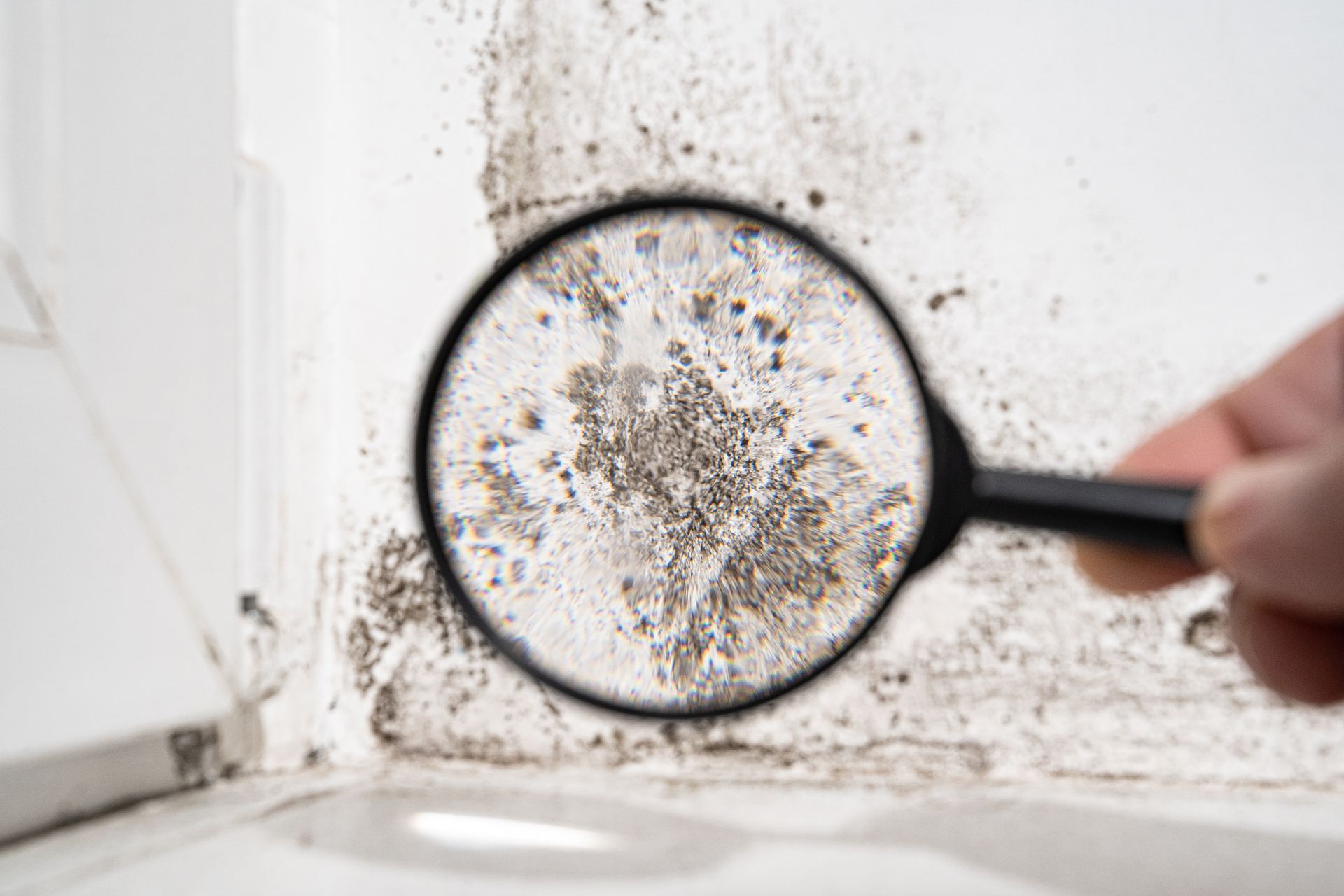
The term “black mold” is often used as a general description for any mold that appears dark in color. However, not all black-colored mold is considered “toxic.”
“Toxic black mold” typically refers to
Stachybotrys chartarum, a specific type of mold that can produce mycotoxins under certain conditions. While it has gained attention in media reports, it is just one of many mold species that can grow indoors.
Key distinctions:
- Black mold (general term): Refers to mold that appears dark green or black in color. Many species fall into this category.
- Toxic black mold: Usually refers to Stachybotrys chartarum, which may produce mycotoxins in damp environments.
It’s important to understand that
all indoor mold growth should be addressed, regardless of species.
Health Risks Associated with Mold Exposure
Whether it’s common black mold or Stachybotrys chartarum, mold exposure can cause health concerns — especially for sensitive individuals.
Potential symptoms include:
- Nasal congestion
- Coughing or wheezing
- Throat irritation
- Eye irritation
- Skin irritation
- Headaches
- Worsened asthma symptoms
Individuals at higher risk include:
- Children
- Elderly adults
- People with respiratory conditions
- Those with weakened immune systems
The level of risk depends on the amount of mold present, duration of exposure, and individual sensitivity.
Why Mold Grows in Homes
Mold thrives in environments with excess moisture. Common causes include:
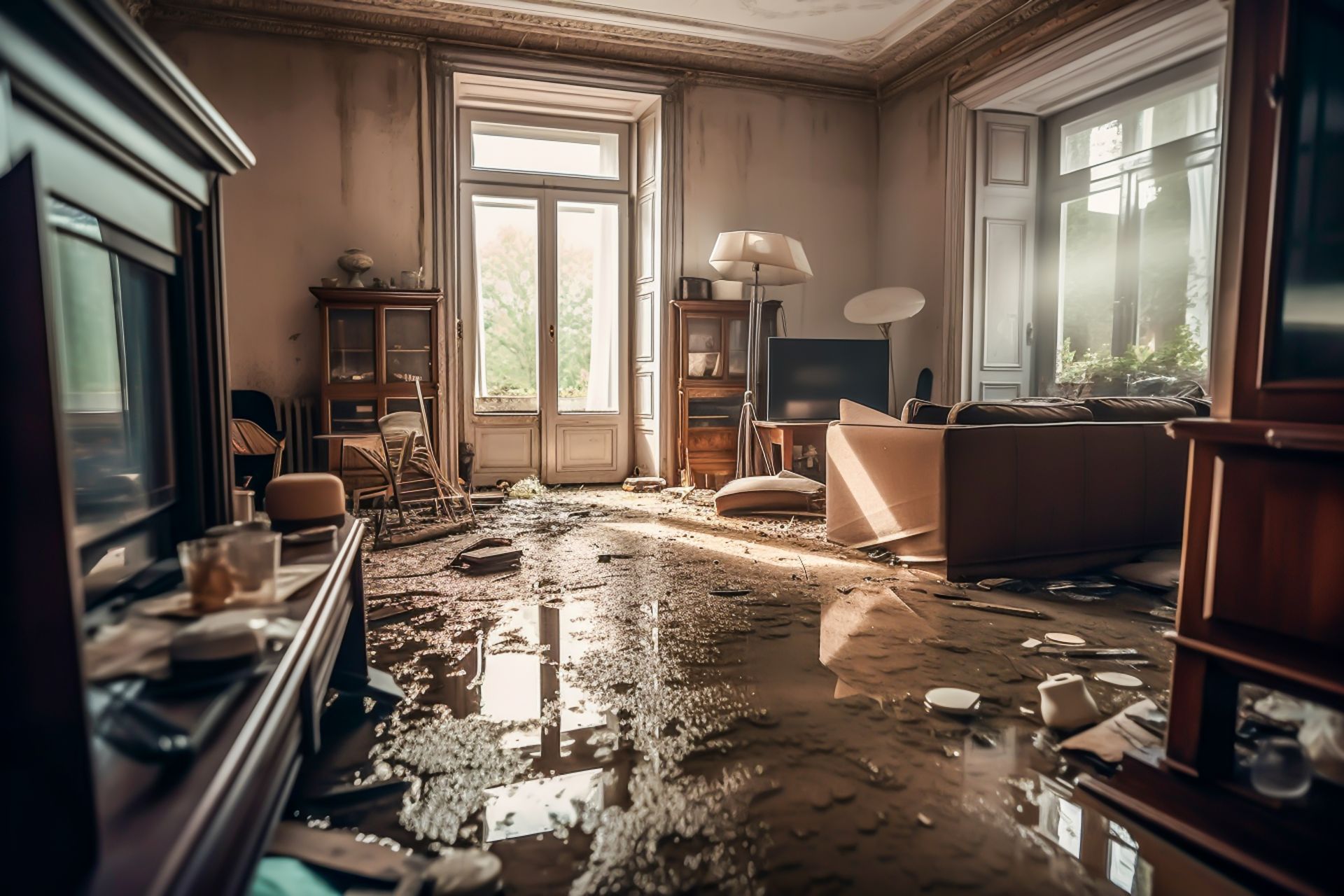
- Water damage from leaks or flooding
- Roof leaks
- Plumbing issues
- High indoor humidity
- Poor ventilation in bathrooms or kitchens
- Hidden moisture behind walls or under flooring
If moisture isn’t properly addressed, mold can begin growing within 24–48 hours.
Why Professional Mold Remediation Matters
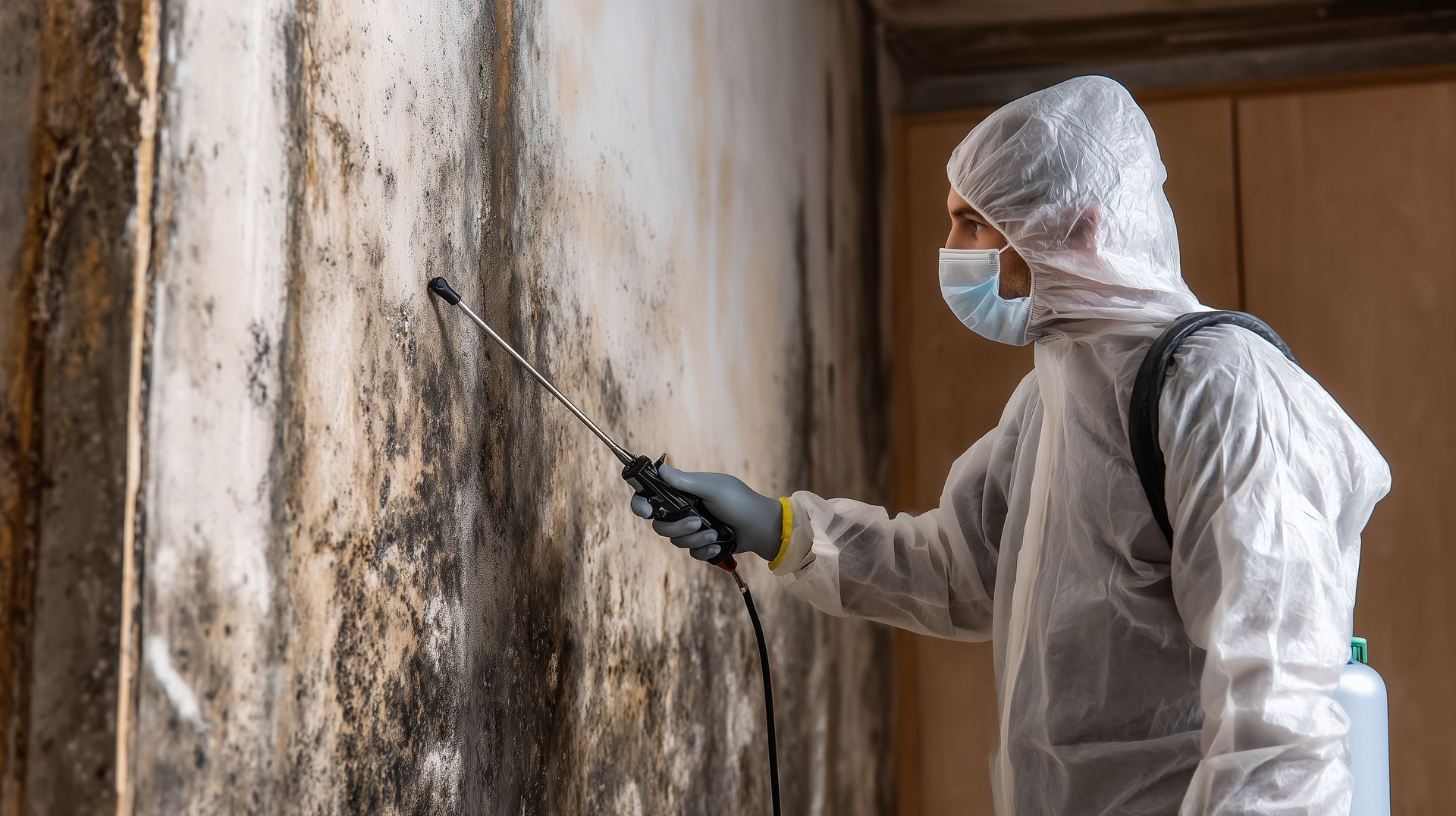
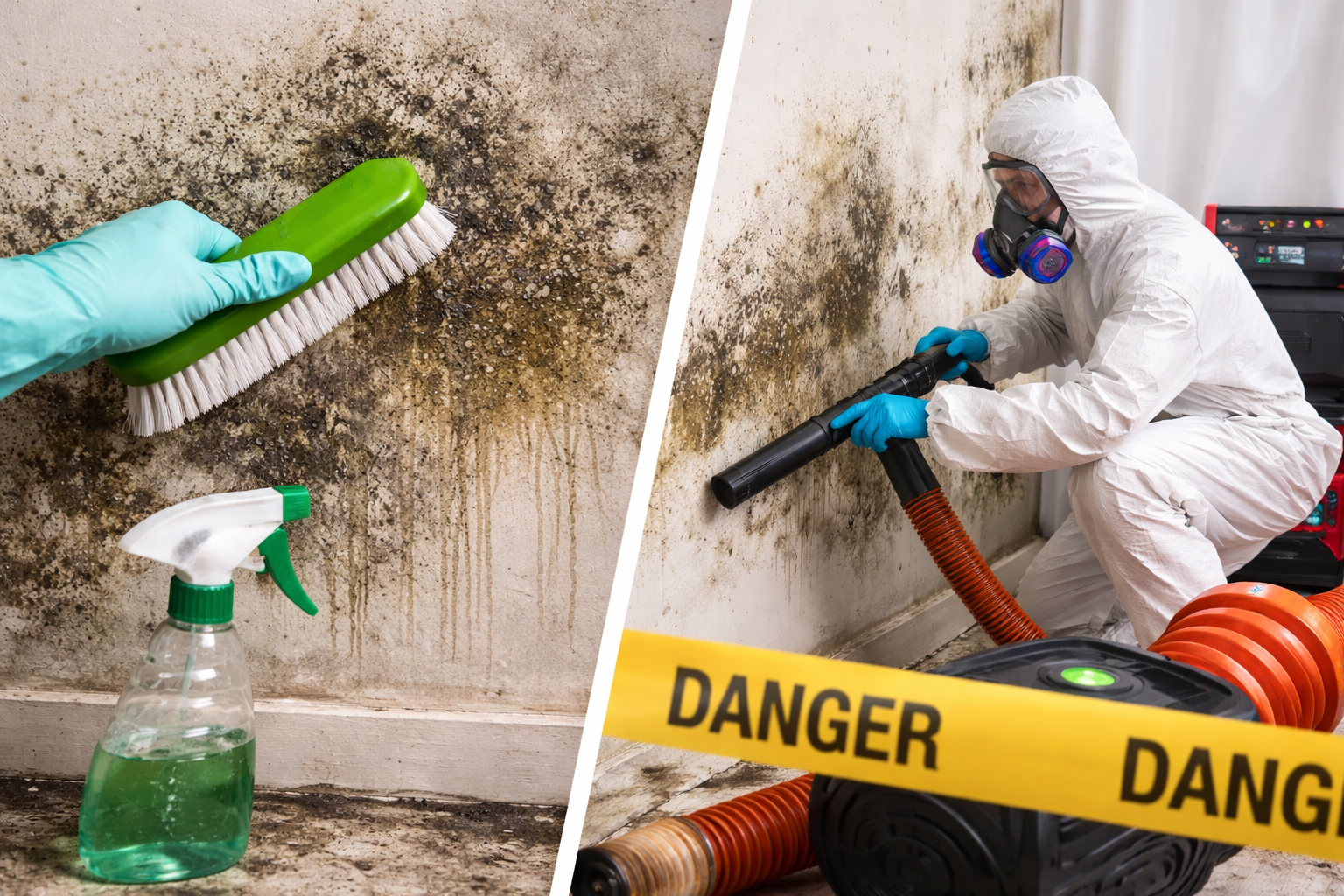
Attempting to remove mold yourself can disturb spores and cause them to spread to other areas of your home. Bleach and household cleaners often only treat surface growth and fail to eliminate the root problem.
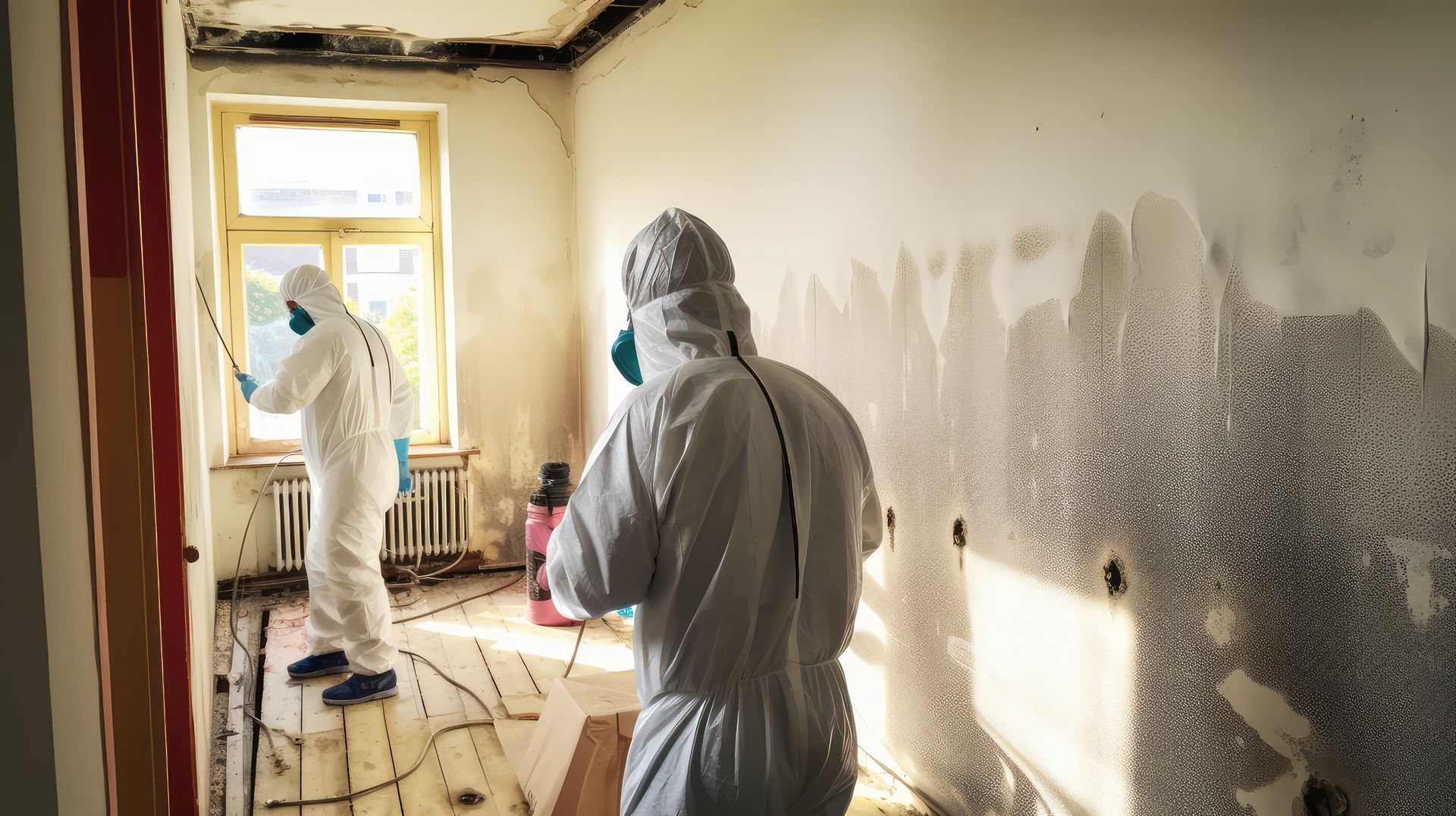
Professional mold remediation from
DKI Restotech includes:
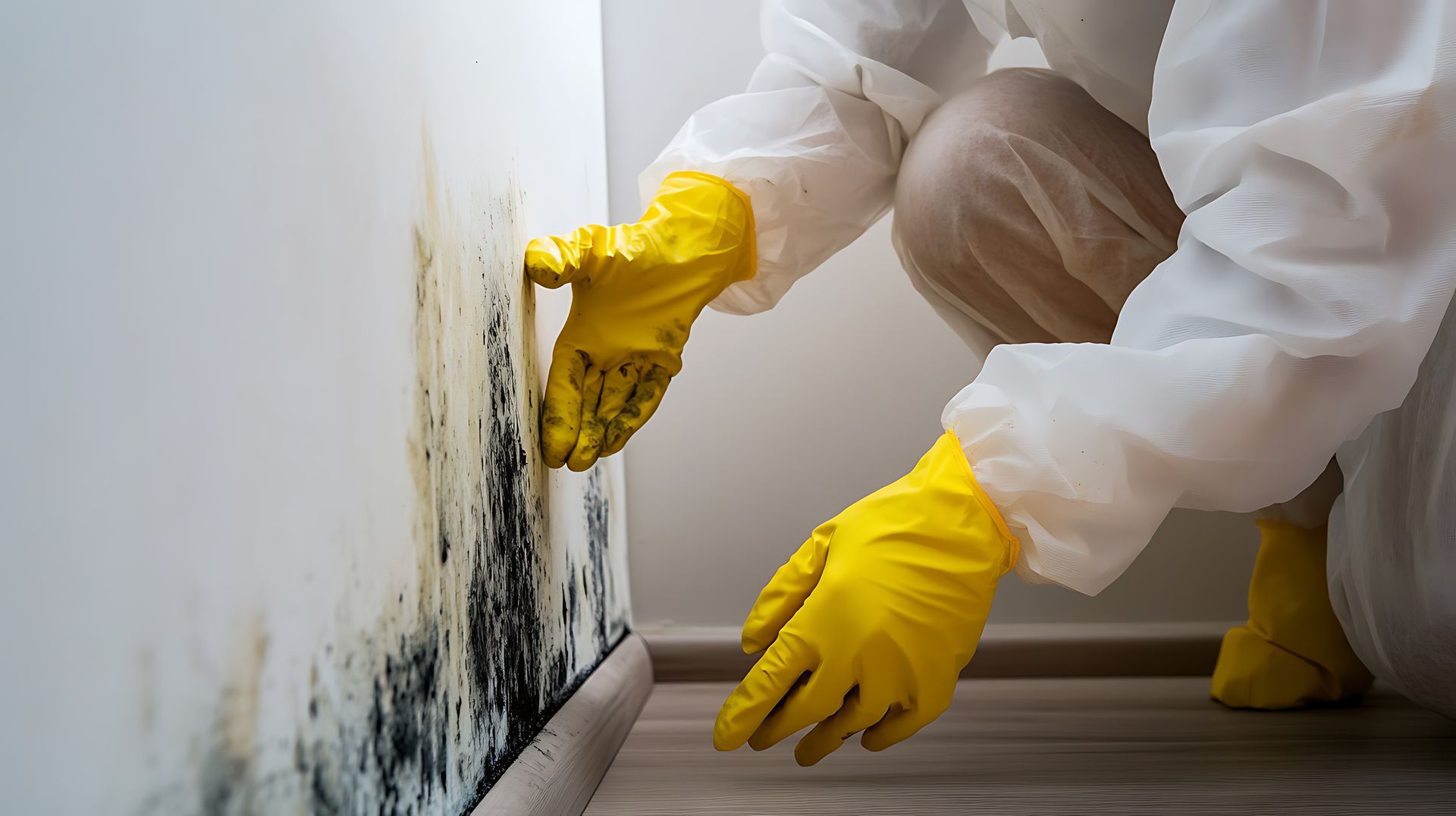
- Thorough inspection and moisture detection
- Containment to prevent cross-contamination
- Air filtration using HEPA equipment
- Safe removal of contaminated materials
- Cleaning and sanitizing affected areas
- Addressing the underlying moisture source
Professional black mold remediation protects both your indoor air quality and the structural integrity of your property.
When to Call DKI Restotech
You should contact a professional if:
- Mold covers more than 10 square feet
- You notice a persistent musty odor
- There has been recent water damage
- Mold keeps returning after cleaning
- Anyone in the home is experiencing respiratory symptoms
Mold problems rarely resolve on their own. The sooner they are addressed, the easier and less costly the
mold remediation typically is.
Protect Your Home from Mold Damage
Understanding black mold vs toxic black mold helps eliminate unnecessary panic — but it should never lead to ignoring visible growth. Any mold in your home is a sign of a moisture issue that needs professional attention.
If you suspect mold in your home or business,
contact DKI Restotech today. Our trained remediation specialists are ready to assess the situation and restore your property safely and thoroughly.
📞
Call us today at
(949) 769-8533 for professional mold remediation assistance.