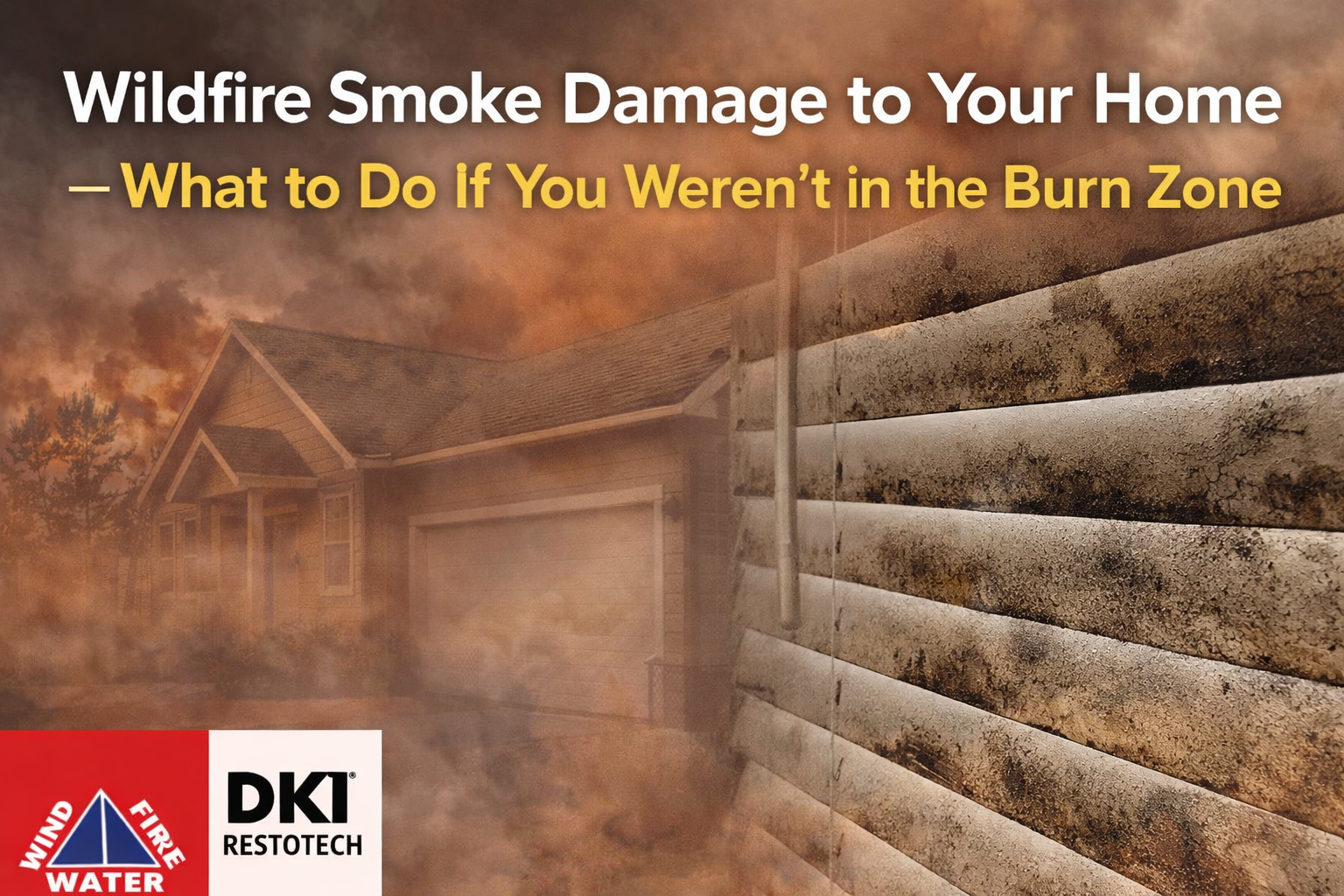
In Los Angeles, wildfire impact isn’t limited to homes directly in the path of flames. Smoke can travel miles beyond the burn zone, carried by wind and weather patterns, settling into neighborhoods that appear untouched at first glance.
Even if your home wasn’t near visible
fire damage, smoke particles can still infiltrate your property through vents, windows, doors, and small structural gaps. These particles don’t just affect air quality, they cling to surfaces, fabrics, and HVAC systems, creating hidden damage that worsens over time.
What Wildfire Smoke Damage Actually Does to a Home
Smoke damage is more than just a lingering smell. It leaves behind microscopic particles and chemical residues that settle throughout your home.
Common impacts include:
- Soot buildup on walls, ceilings, and surfaces
- Persistent smoke odors trapped in materials
- Contamination of HVAC systems and ductwork
- Damage to electronics and appliances
- Reduced indoor air quality
These particles are often invisible but continue to circulate in your home unless properly removed.
Health Risks Associated With Smoke Exposure Indoors
Smoke from wildfires contains a mix of harmful substances, including fine particulate matter, carbon compounds, and toxic chemicals.
Indoor exposure can lead to:
- Respiratory irritation or difficulty breathing
- Headaches and fatigue
- Eye and throat irritation
- Aggravation of asthma or allergies
In enclosed environments, these contaminants can linger long after outdoor air conditions improve, making
professional cleanup essential for restoring a safe living space.
Signs Your Home Has Smoke Damage After a Wildfire
Not all smoke damage is obvious right away. Even if your home looks clean, there may be underlying issues.
Watch for:
- A faint or persistent smoky odor
- Dusty or greasy residue on surfaces
- Increased allergy or respiratory symptoms indoors
- Discoloration on walls or ceilings
- HVAC system blowing stale or smoky air
If you notice any of these signs, it’s likely that smoke has entered and settled within your home.
Why DIY Cleaning Isn’t Enough for Smoke Damage
Surface cleaning alone won’t remove
wildfire smoke contamination. Many particles embed deep into porous materials like drywall, insulation, carpet, and furniture.
DIY efforts often result in:
- Temporary odor masking instead of removal
- Spreading soot and residue further
- Incomplete cleaning of hidden areas
- Continued air quality issues
Standard cleaning products aren’t designed to neutralize smoke-related contaminants. Without proper equipment, the problem remains beneath the surface.
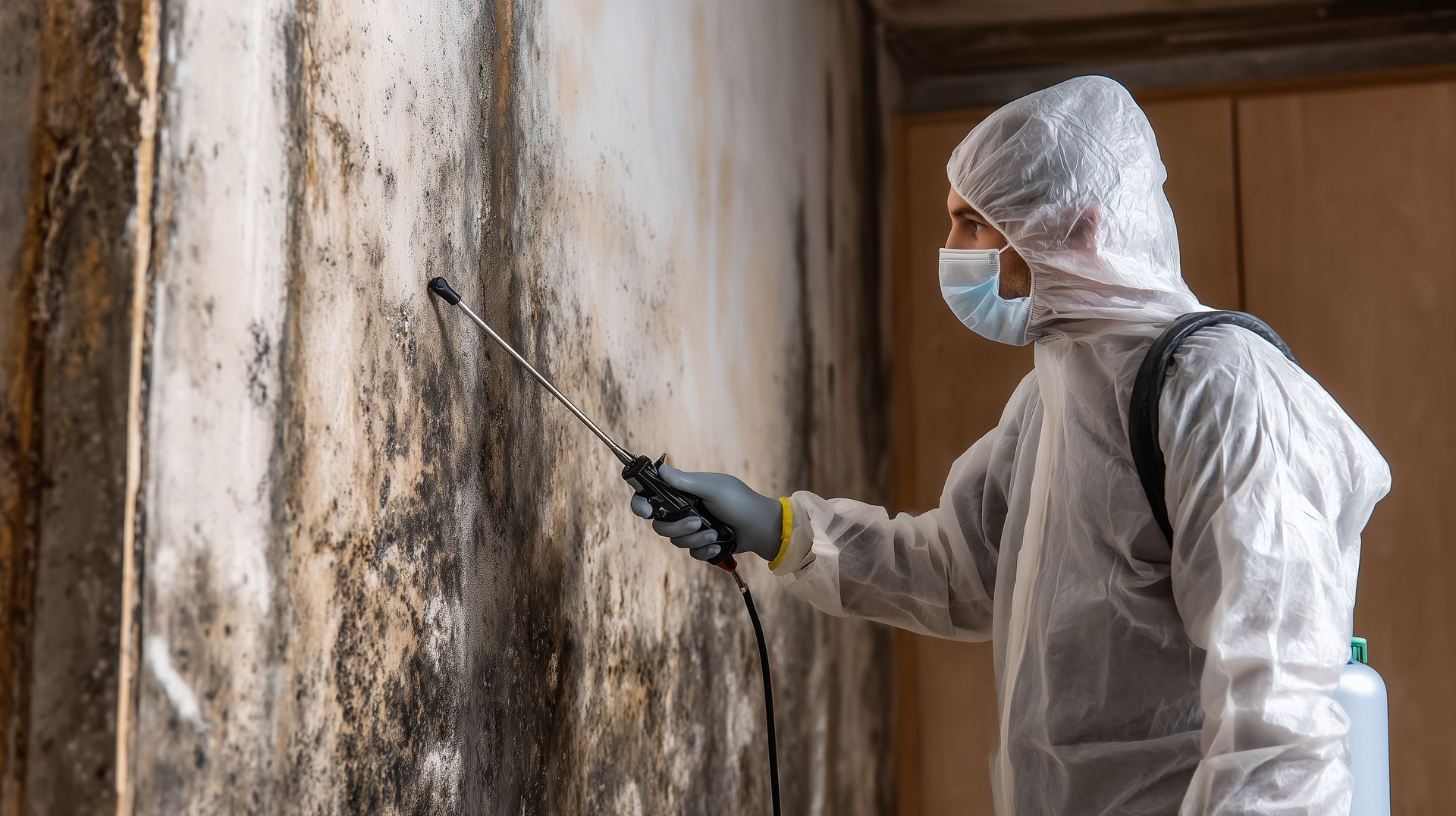
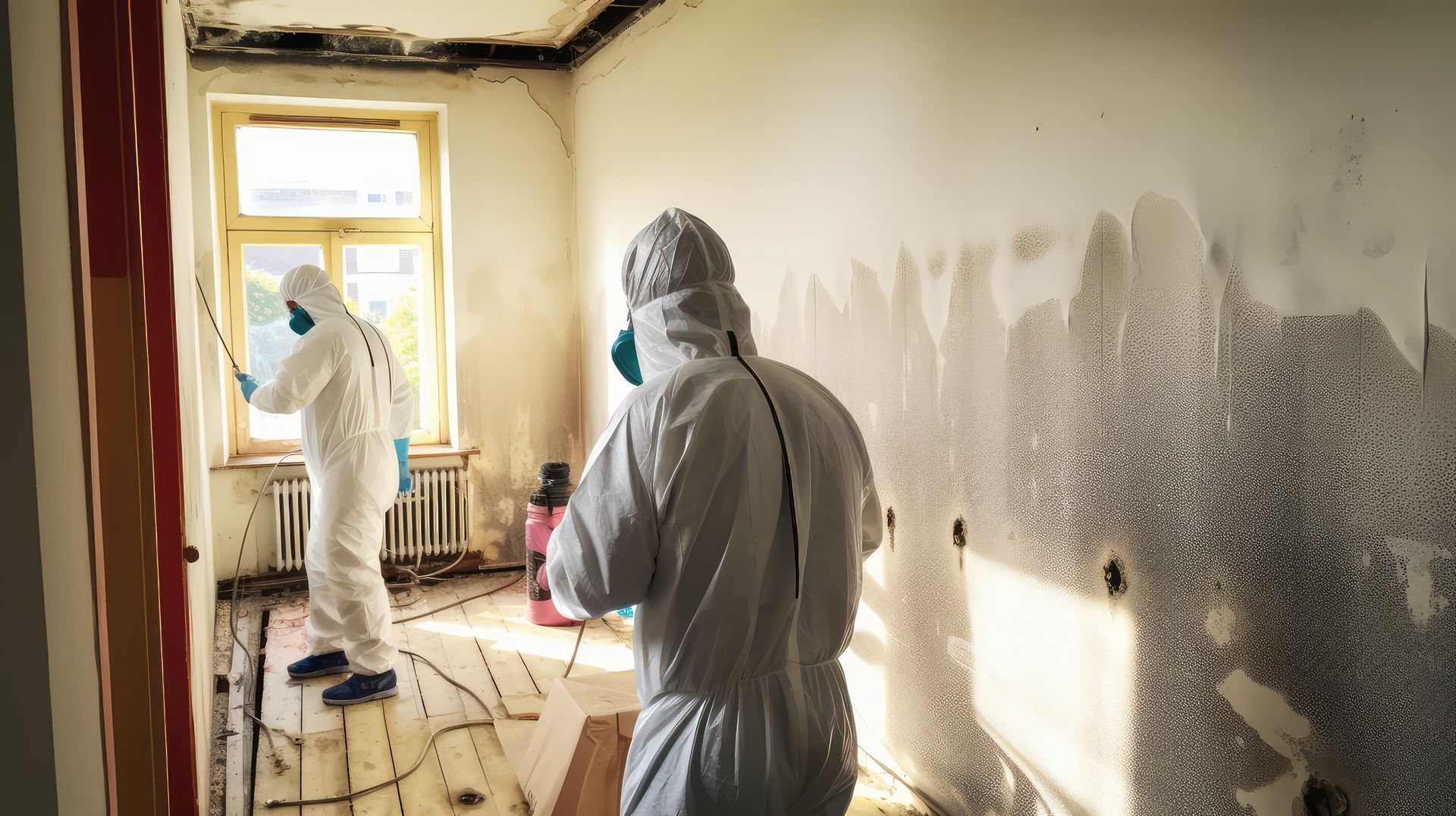
What Professional Smoke Damage Cleanup Involves
A professional restoration company like
DKI Restotech uses specialized methods to fully address smoke damage.
Air Filtration
- High-efficiency air scrubbers remove airborne particles
- Improves indoor air quality quickly
Deep Cleaning of Surfaces
- Removes soot and residue from walls, ceilings, and fixtures
- Uses industry-grade cleaning agents
Odor Removal
- Thermal fogging or ozone treatments neutralize smoke odors
- Targets odor at the molecular level
HVAC System Cleaning
- Clears contaminated ducts and filters
- Prevents recirculation of smoke particles
Material Assessment and Restoration
- Identifies items that can be restored vs replaced
- Ensures full decontamination of affected areas
How Quickly You Should Act After Smoke Exposure
Timing matters when dealing with wildfire smoke damage.
- Within hours: Particles settle on surfaces
- Within days: Odors become embedded in materials
- Over time: Contamination spreads through air systems
The longer smoke residue sits, the harder it becomes to fully remove. Acting quickly reduces both health risks and restoration costs.
Common Smoke Damage Scenarios in Los Angeles
In Los Angeles, even distant wildfires can impact homes due to:
- Seasonal wildfire activity in surrounding regions
- Wind patterns pushing smoke into residential areas
- Dense urban environments trapping airborne particles
- Prolonged exposure during active fire seasons
These conditions make smoke damage a recurring concern—even for homes far from active fires.
How to Protect Your Home During Future Wildfire Events
While you can’t prevent wildfires, you can reduce the impact of smoke on your home.
Steps to take:
- Seal windows, doors, and entry points
- Use high-quality HVAC filters
- Run
air purifiers during wildfire events
- Limit outdoor air intake when air quality is poor
- Schedule inspections after heavy smoke exposure
These steps help minimize damage but don’t replace professional cleanup if contamination occurs.
Final Takeaway
Wildfire smoke damage can affect your home even if you were never in the burn zone. In Los Angeles, where wildfire seasons are a regular reality, understanding how smoke impacts your property is critical.
This isn’t just about odor—it’s about air quality, contamination, and long-term damage. Addressing smoke exposure quickly and professionally helps restore a safe, clean living environment and prevents ongoing issues.
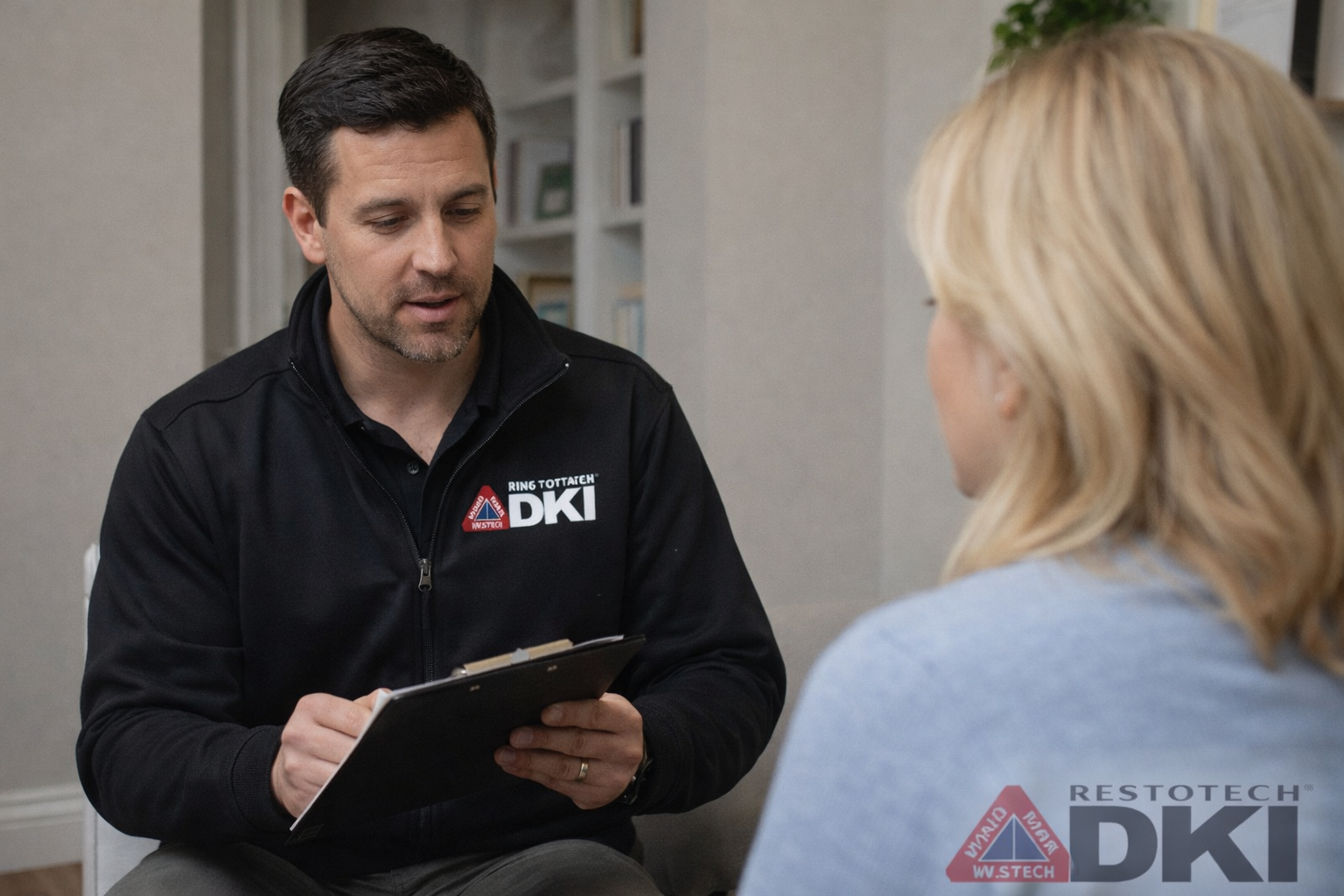
If your home has been exposed to wildfire smoke, don’t wait for damage to get worse. DKI Restotech provides expert smoke damage cleanup and air quality restoration to ensure your home is safe and clean. Contact their team
today
for a professional assessment and take the first step toward restoring your property and peace of mind.
📞
Call DKI Restotech today at
949-334-2358 for fast, reliable smoke damage services in
Orange County.