HVAC Discharge Line Leak Damage in Orange County and Los Angeles
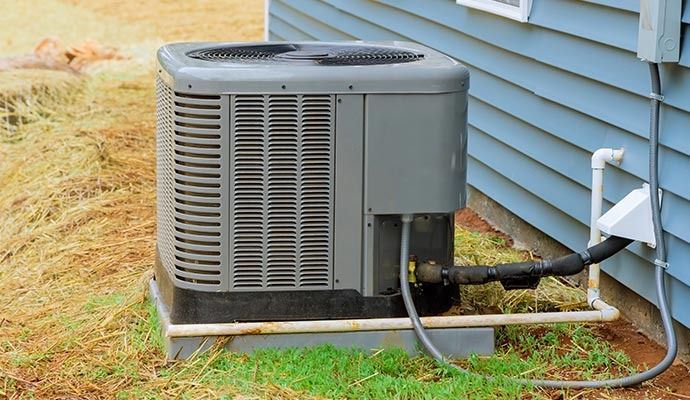
An HVAC discharge line — also called the condensate drain line — can back up or leak. Water damage from a severe leak or overflowing drain pan can cause serious water damage to a home or business before the problem is even noticed. At Restotech Water & Fire Damage Restoration Services, we specialize in restoring properties affected by HVAC discharge line leaks across Orange County and Los Angeles.
From repairing soaked drywall to fixing hidden structural damage, our crews are equipped with advanced restoration tools and methods. Don’t let a clogged or leaking AC line cause worse headaches. Call or contact us online to book an appointment for your HVAC-related water damage cleanup and restoration services.
Signs Your HVAC Discharge Line Could be Leaking
Many property owners don’t realize their HVAC discharge line is leaking until the damage spreads. Common warning signs include:
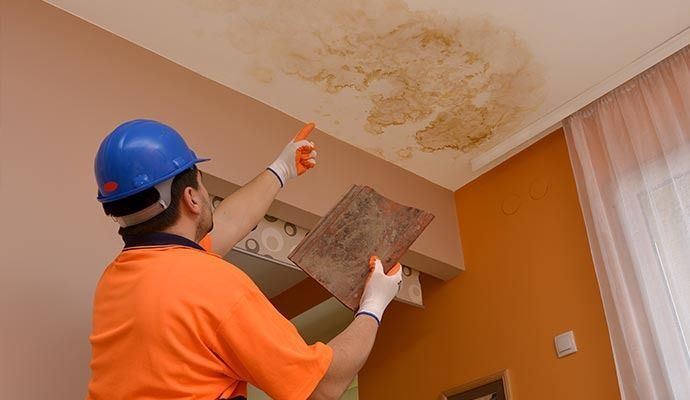
Visible wet ceilings or walls
Water stains that continue to spread are a strong indicator of hidden leaks.
Damp, musty odors
Persistent odors signal mildew or mold growth from trapped water.
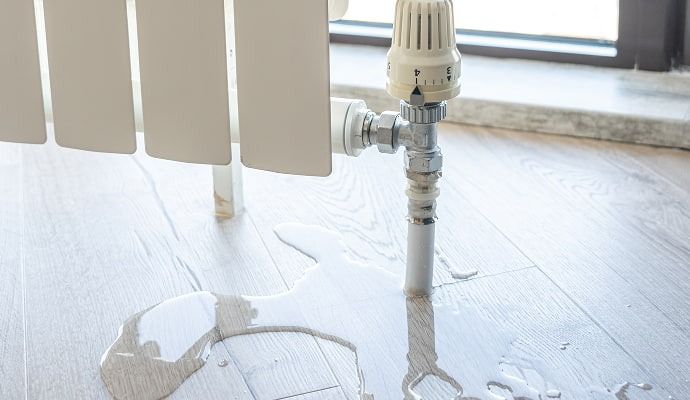
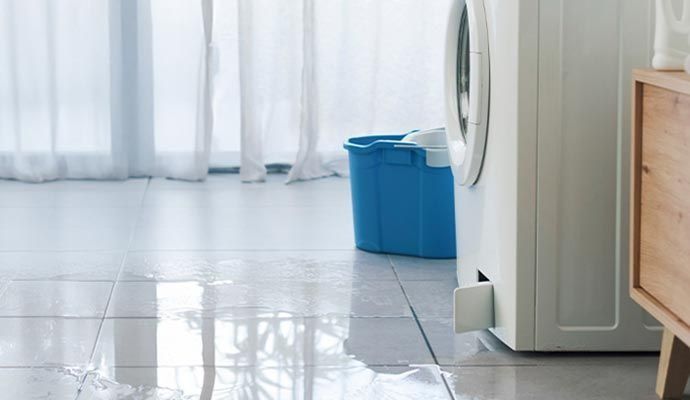
Drain pan overflows
Pooling water or damage can mean condensate drain overflow issues.
Spiked monthly AC costs
Leaks can cause an AC system to work harder and use more energy.
Excess algae, sludge, debris
A drain pan accumulating dirty, thick water isn't a good sign.
Signs Your HVAC Discharge Line Could be Leaking
Many property owners don’t realize their HVAC discharge line is leaking until the damage spreads. Common warning signs include:
Visible wet ceilings or walls
Water stains that continue to spread are a strong indicator of hidden leaks.
Damp, musty odors
Persistent odors signal mildew or mold growth from trapped water.
Drain pan overflows
Pooling water or damage can mean condensate drain overflow issues.
Spiked monthly AC costs
Leaks can cause an AC system to work harder and use more energy.
Excess algae, sludge, debris
A drain pan accumulating dirty, thick water isn't a good sign.
HVAC Discharge Line Water Damage Risks for Homes and Businesses
A leaking HVAC discharge line is more than an inconvenience—it can threaten both comfort and property integrity. The most common risks include:
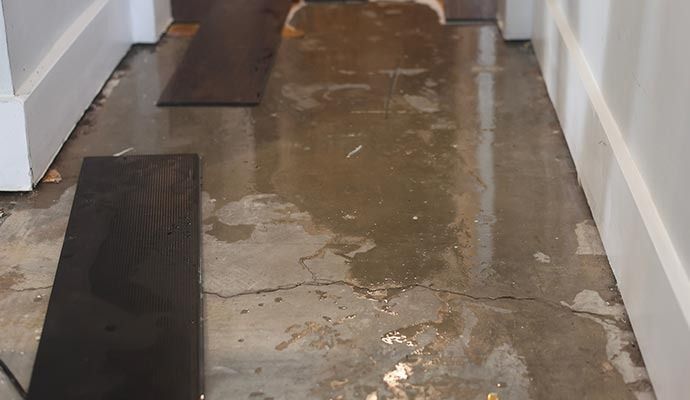
- Warped or damaged flooring: Wood, laminate, and carpet quickly deteriorate when exposed to moisture.
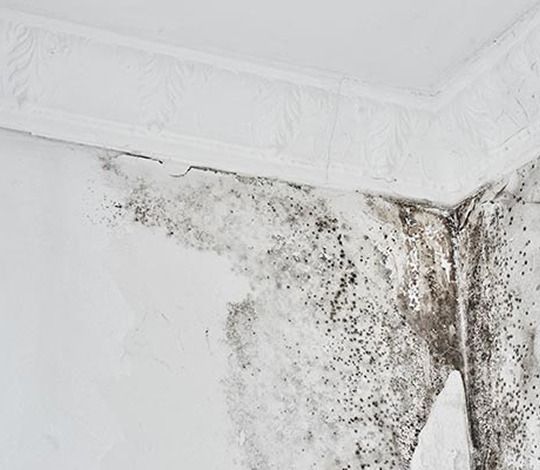
- Mold growth inside walls: Hidden moisture creates ideal conditions for mold that spreads rapidly and harms indoor air quality.
- Equipment damage and downtime: Leaks near electrical systems or office equipment create a risk of fire accidents and shock.
- Escalating structural damage: Delayed restoration results in higher repair costs as water weakens key structural components.
Water Damage Problems? Turn to Us for Complete, Professional Recovery
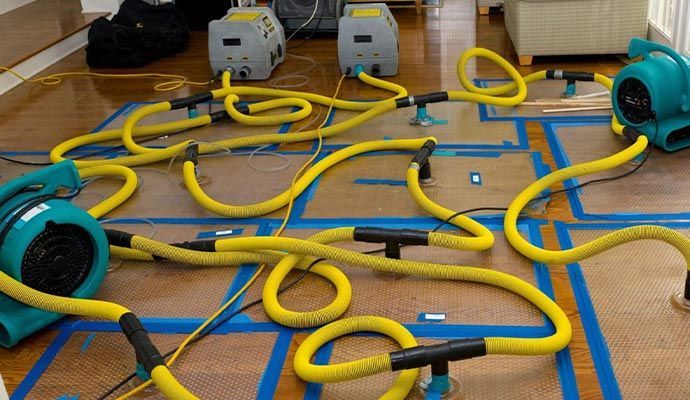
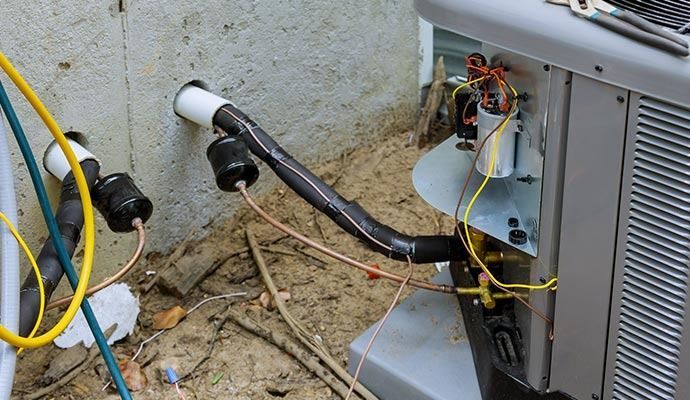
Discharge Line Leaks: DYI vs. Our Pros
It might be tempting to clear a clogged discharge line yourself, but DIY fixes rarely solve the full problem. While a quick flush may clear debris, it won’t reverse existing water damage inside walls or prevent mold growth.
Hidden leaks often remain undetected without proper repairs.
Attempting repairs with inadequate experience or knowledge can also lead to further water intrusion or HVAC system failure. Professional restoration makes sure both the leak and resulting damage are fully addressed.
More of Our Reliable Water Damage
Restoration Services
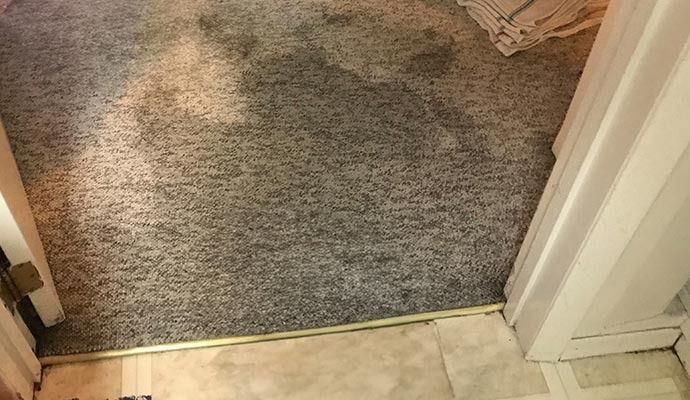
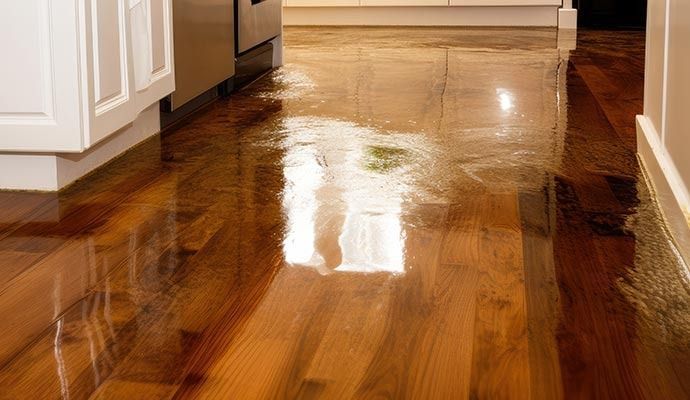
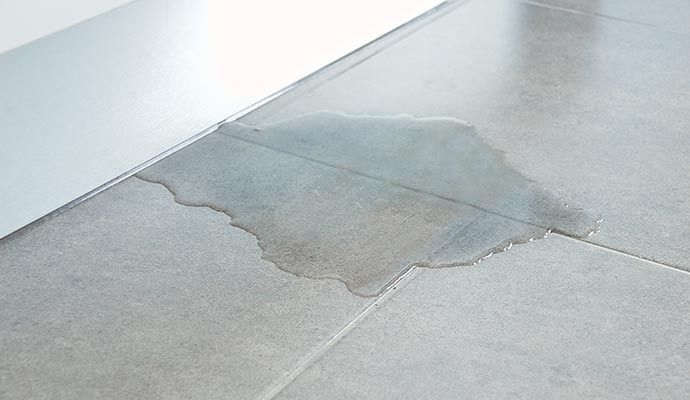
HVAC discharge line leaks are only one of the many types of Water pipe break damage we restore. At Restotech Water & Fire Damage Restoration Services, we provide a wide selection of restoration solutions for water emergencies like:
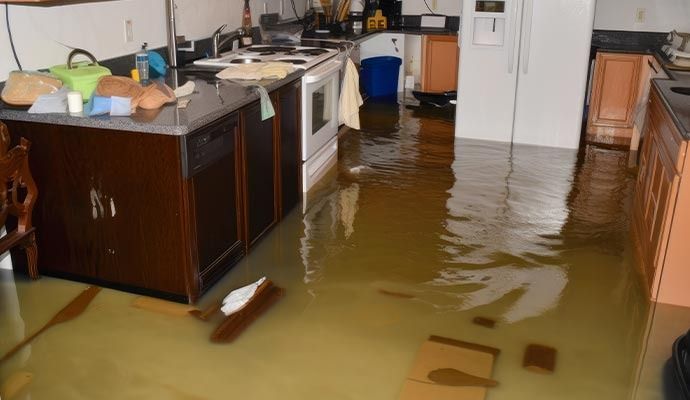
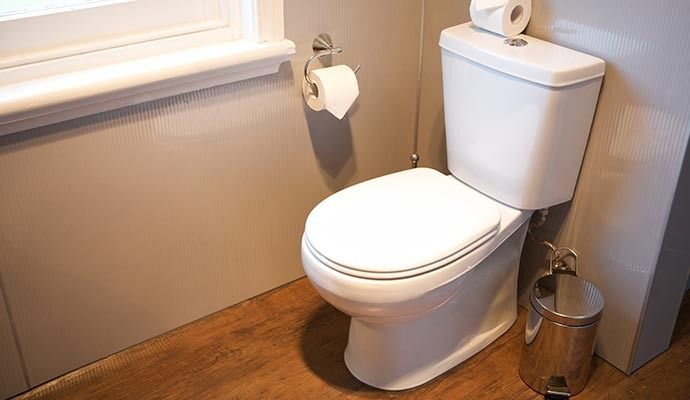
Call Us for Leaky HVAC Discharge Line Damage in Orange County!
HVAC Discharge Line Damage Frequently Asked Questions (FAQs)
How long does the average restoration project take?
The timeline varies depending on the severity of water, fire, or mold damage. Most restoration projects take several days to a few weeks, and we provide consistent updates to keep you informed.
What should I do before your team arrives for emergency restoration?
Focus on safety first. Avoid standing water, turn off electricity if possible, and keep children and pets away from affected areas. Our certified team will manage cleanup and restoration once on-site.
How do I know if hidden moisture or mold is still present after cleanup?
Professional inspections can confirm hidden moisture or mold growth. Certified testers assess your indoor areas and report on any contamination, giving you confidence that your property is safe and fully restored.
Do restoration crews work directly with my insurance adjuster?
Yes. We coordinate with your insurance adjuster, provide detailed documentation and reports, and streamline claim processing. This results in faster approvals, less stress for you, and smoother financial recovery.